As industries face evolving effluent norms and rising operational costs, conventional biological systems often fall short. High COD loads, slow-start digesters, antibiotic-laden waste streams and inconsistent biomass activity result in poor treatment efficiencies, energy loss and costly compliance issues.
According to a 2023 NITI Aayog report, nearly 55% of India’s operational STPs and ETPs fail to meet discharge norms, largely due to underperforming biological systems or delayed sludge digestion. Moreover, antibiotics in wastewater treatment processes have increased microbial resistance, further slowing biological breakdown and treatment cycles.
Industrial clients and municipalities need high-performance wastewater treatment bio-culture technologies that optimize digestion, enhance biodegradation and reduce energy footprints without increasing chemical dependency.
ACTBIOC+ and Gseedact+ are high-efficiency microbial and enzyme formulations designed to enhance aerobic and anaerobic digestion of sewage sludge and industrial effluents. Together, they accelerate biological activity, reduce lag time and improve energy recovery, particularly in challenging treatment conditions involving high toxins, shock loads and pharmaceutical residues.
Our Solution Includes:
This formulation is already in use across ACTBIOC+ treatment plants handling industrial, municipal and pharmaceutical effluents—delivering consistent results, faster COD reduction and higher biogas yield.
Client: Industrial Biogas Facility, Gujarat
Problem: Sluggish start-up, low methane output, presence of antibiotics in feed sludge
Solution: Deployed ACTBIOC+ with Gseedact+ for anaerobic digester startup
Results:
Switch to ACTBIOC+ Gseedact+ and regain performance, speed and compliance — without redesigning your entire plant.
ACTBIOC+ contains robust microbial strains specifically selected for their resistance to pharmaceutical and antibiotic compounds. It enables sustained biodegradation in antibiotic-affected effluents, improving overall system efficiency and ensuring compliance with discharge norms in ACTBIOC+ treatment plants.
Absolutely. Gseedact+ is engineered with stable microbial inoculants for digesters that adapt to varied loading conditions. Whether starting up new digesters or reactivating underperforming systems, it drastically cuts down lag time, enhances anaerobic digestion of sewage sludge and stabilizes gas production.
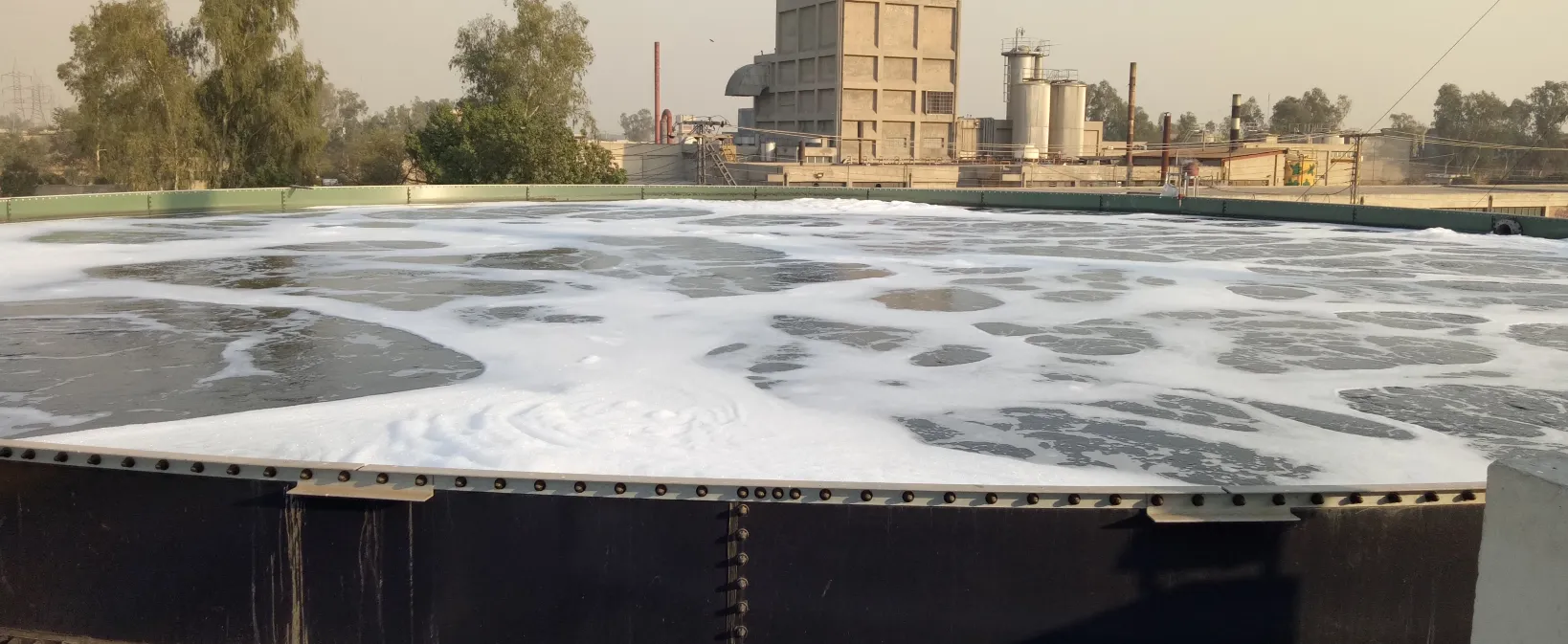
ACTBIOC+ accelerates hydrolysis and enzymatic degradation of high-COD loads, especially in sectors like distilleries, tanneries and pharmaceuticals. Its multi-enzyme matrix outperforms conventional seed sludge and helps control odour, foaming and bulking in challenging bio-enzyme water treatment systems.

By using ACTBIOC+ and Gseedact+, plants can immediately increase biomass activity, degrade difficult organics and boost sludge stabilization—all without CAPEX-heavy mechanical or civil upgrades. This makes it an effective plug-and-play enhancement for wastewater treatment bio-culture systems.
Yes. Both solutions are fully compatible with MBBR, UASB, IFAS and other biological systems. They enhance microbial activity without disrupting current reactor dynamics and are ideal for digesters treating complex industrial streams with granulated seeding sludge requirements.